Presented by Cooks’ World and Pinnacle Wine & Liquor
Yes, yes, I know this is supposed to be a cocktail of the week post (fear not, I’ll link to some recipes below), but I want to draw everyone’s attention to an ingredient too few home cocktailers are using: blanc vermouth (its French descriptor, which I’ll use for this post), also known as bianco (Italian), blanco (Spanish), or in English simply “white” vermouth. Most customers I encounter beside the vermouth shelves are well aware of the sweet and dry styles of vermouth but less familiar with the blanc style. Learning what blanc vermouth is and how to use it will expand any person’s cocktail catalog by an order of magnitude.
What is blanc vermouth?
Let’s review some vermouth basics:
- All vermouth is wine—fortified and aromatized. (Refrigerate after opening to slow its oxidation; toss it or use it for cooking after eight weeks.)
- Vermouth originated in Southern Europe as an aperitif—to be sipped neat or over ice, once ice became available. Good vermouth is still very enjoyable this way!
- Most vermouths, including the deeply colored ones we call “sweet” vermouth, are made from white wines. (There are some delicious exceptions!)
- Any color in vermouth made from white wine comes from the infusion of herbs, spices, flowers, roots, or other botanicals to aromatize and flavor it. Some vermouths are also rested in barrels before bottling, which may affect their color.
- In the United States and the European Union (EU), there is no legal or industry definition of the difference between dry, sweet, or blanc vermouths. The EU defines vermouth broadly, with terms for specific ranges of sugar content (from “extra-dry” to “sweet,” in grams per liter), but there is no labeling standard that addresses color, bitterness, or nomenclature.
- “Sweet” doesn’t mean “not bitter” (just ask a Campari lover). The opposite of sweet is sour—a region of human taste buds different from bitter.
The primary distinguishing characteristics of blanc vermouths are their sweetness, light color, and relative (not necessarily total) lack of bitterness.
- Almost all blanc vermouths contain more than 130 grams of sugar per liter, which is in the same range as sweet vermouths and more than twice the amount in typical dry vermouths.
- The flavor profile varies from light and floral (e.g., Dolin) to viscous and slightly bitter (e.g., LaFuerza), but typically less bitter than traditional sweet vermouths.
- Blanc vermouths range from near-white (Dolin or Carpano) to light amber or gold (Bordiga, LaFuerza, or Lustau), while the botanicals in most sweet vermouths render them tawny red to dark brown.

So. Many. Ways. To use Blanc vermouth.
Start by simply enjoying it for what it is; it’s August, so make it a summer sipper. Chill a bottle, then pour a couple of ounces over ice in a small wine goblet—a splash of chilled soda would be fun but optional—and express the oils from a peel of lemon, lime, or orange into the glass, then drop the peel in as a garnish. The term “porch pounder” comes to mind. (Dear reader: Consider this a homework assignment!)
In cocktails, use blanc vermouth when you want the sweetness of sweet vermouth but not its bitterness or color. The poster child for this use is the White Negroni, which gets plenty of bitterness from Suze or Salers and, after all, is supposed to be “white,” not red.
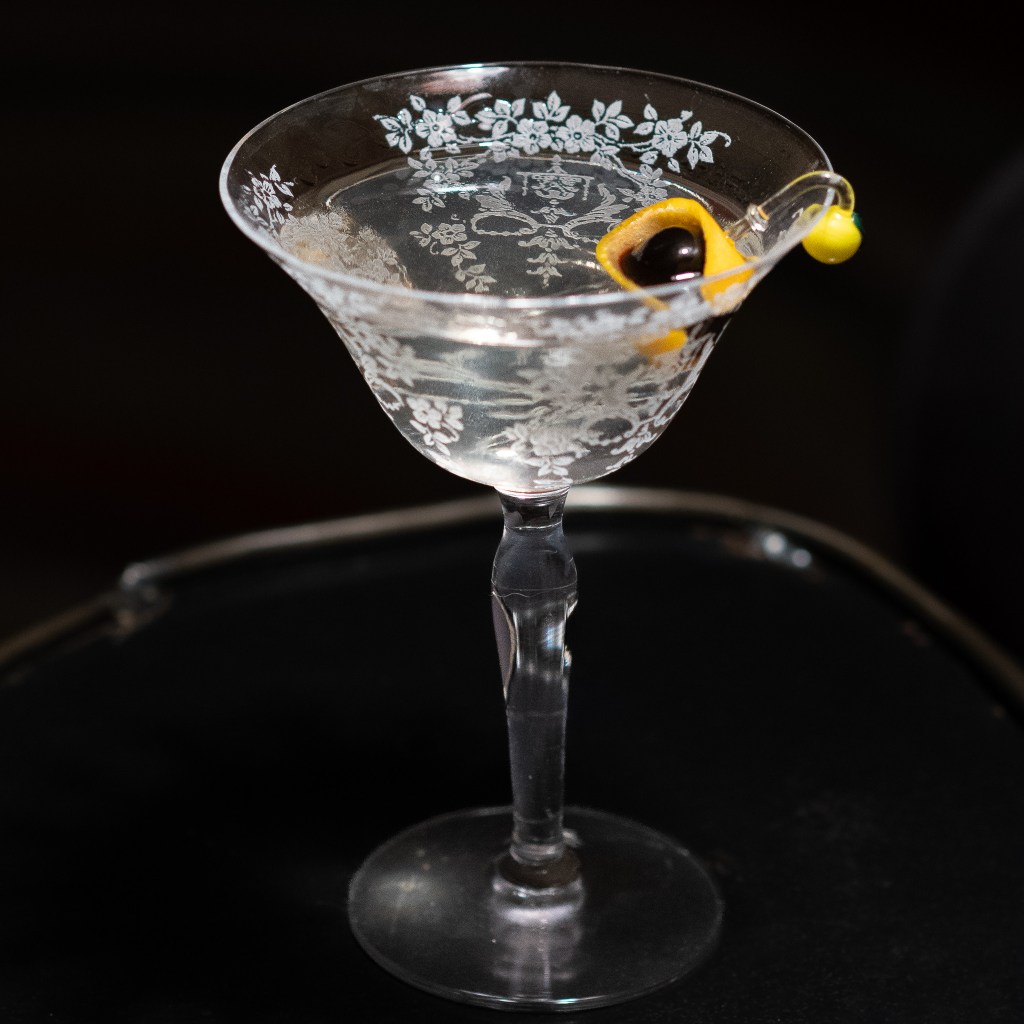
Blanc vermouth is the perfect modifier for strongly flavored spirits such as gin, tequila, or mezcal. I love a Martini of Gray Whale Gin and Dolin Blanc Vermouth. How about a tequila or mezcal Martini, a Gin Blossom, or a Tuxedo No. 2? If you’re a Gibson lover, you absolutely have to try an Isolation Proof Ramp Gibson. The sweetness and aromas of Blanc vermouth soften the pungent ramps to make a refreshing and memorable cocktail.
It’s not just for modifying “white” spirits, either. Blanc vermouth blends with peaty Scotch whisky to mellow your Drunk Uncle, and it makes a fuller, more enjoyable rum classic such as El Presidente than dry vermouth.
Bottom line: Think about how you use vermouth in your cocktails, and experiment with using blanc vermouth in the place of dry or sweet vermouth in some of them. It’s not going to work perfectly in every case, but since it’s a little bit dry (at least color-wise) and a little bit sweet (at least flavor-wise), you may find that it creates enjoyable riffs on your old favorites, and it may lead you into entirely new breeds of cocktails.
To learn more about the broader topic of vermouth, see my 2023 post, “I know why you don’t like vermouth,” and do a little internet surfing. It’s a fascinating and useful category of beverage.
About our Cocktail of the Week partners—shop local and independent!
Cooks’ World and Pinnacle Wine & Liquor are less than a mile from each other, on Monroe Avenue near Twelve Corners in Brighton.
Cooks’ World, in business since 1978, is Rochester’s premier retailer of dining, kitchen, and cooking products, including a complete selection of glassware, mixology tools, and accessories for wine and spirits lovers. Follow Cooks’ World on Facebook and Instagram. Sign up here to receive Cooks’ World’s daily email specials and other news.
Pinnacle Wine & Liquor, in business since 1997, offers a thoughtfully curated selection of spirits and wine from around the world, with a savvy staff to assist in your selection and encourage you along your cocktail and wine journey. Follow Pinnacle on Facebook and Instagram. For the inside track on Pinnacle’s spirits sales, send two text messages to (585)765-7546:
— Text the word “bourbon,” to receive weekly text messages offering the chance to buy rare or allocated whiskies or special prices on popular products.
—Text the word “spirits,” to receive roughly monthly offers on fine spirits other than whiskies.

 The Libation Lounge
Pingback: Cocktail of the Week: Wet Martini—but wait! It’s not what you think. | The Libation Lounge